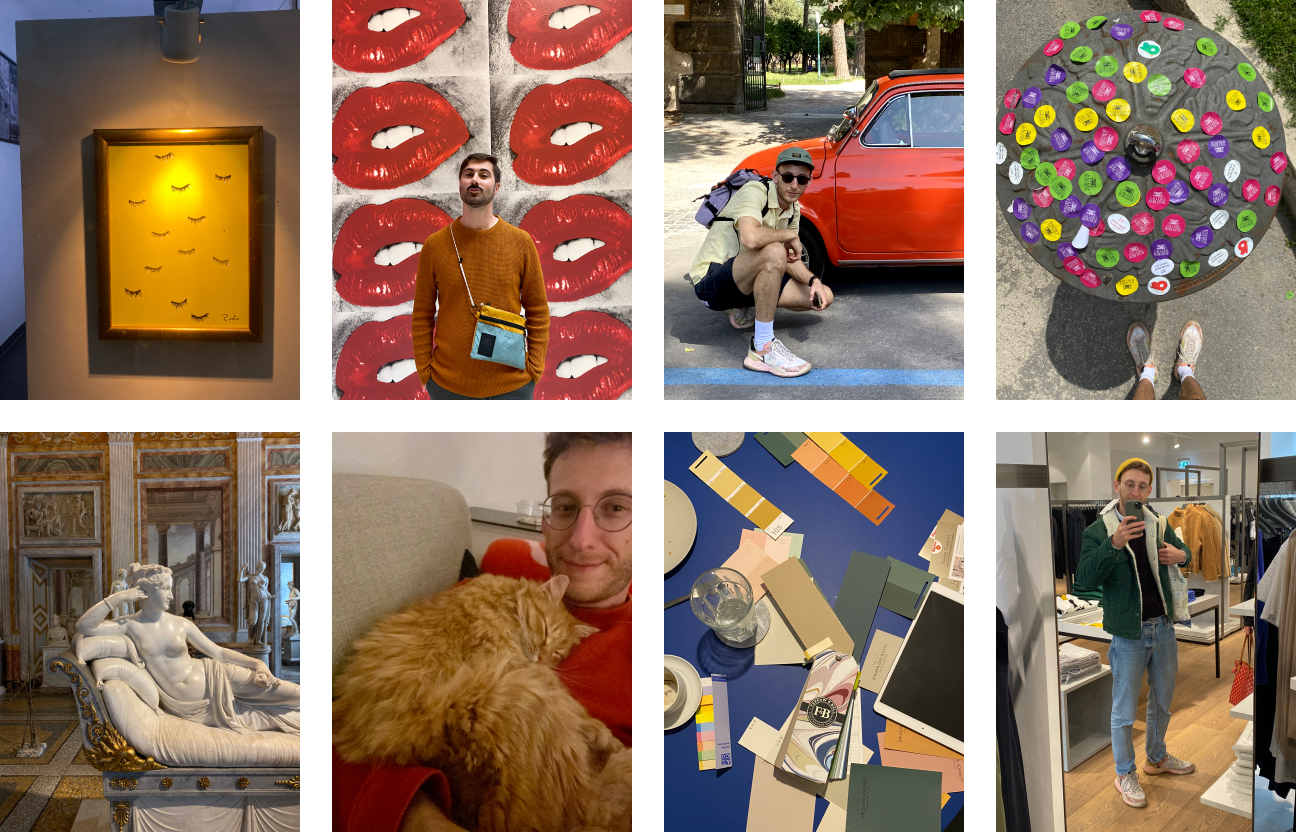
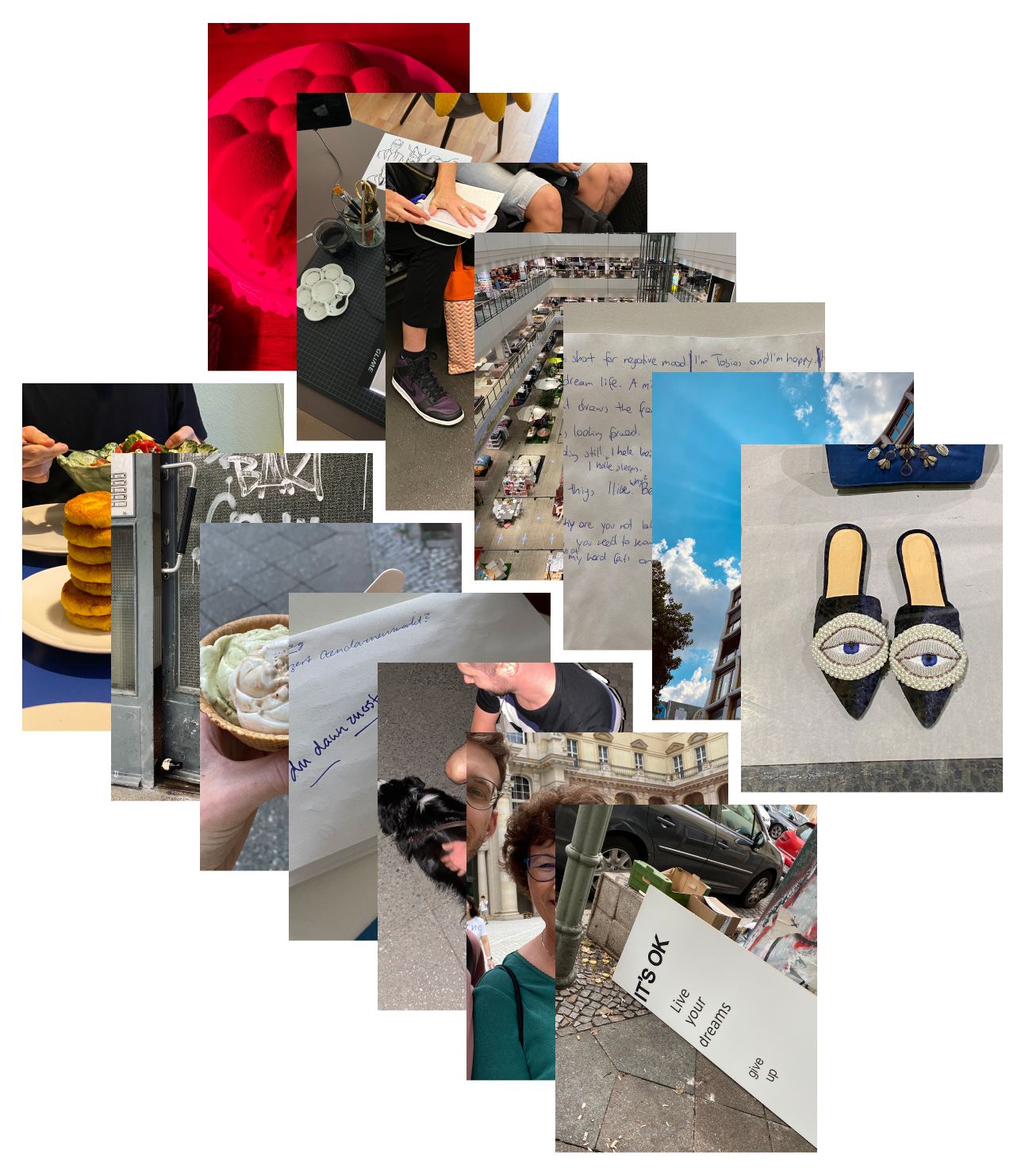
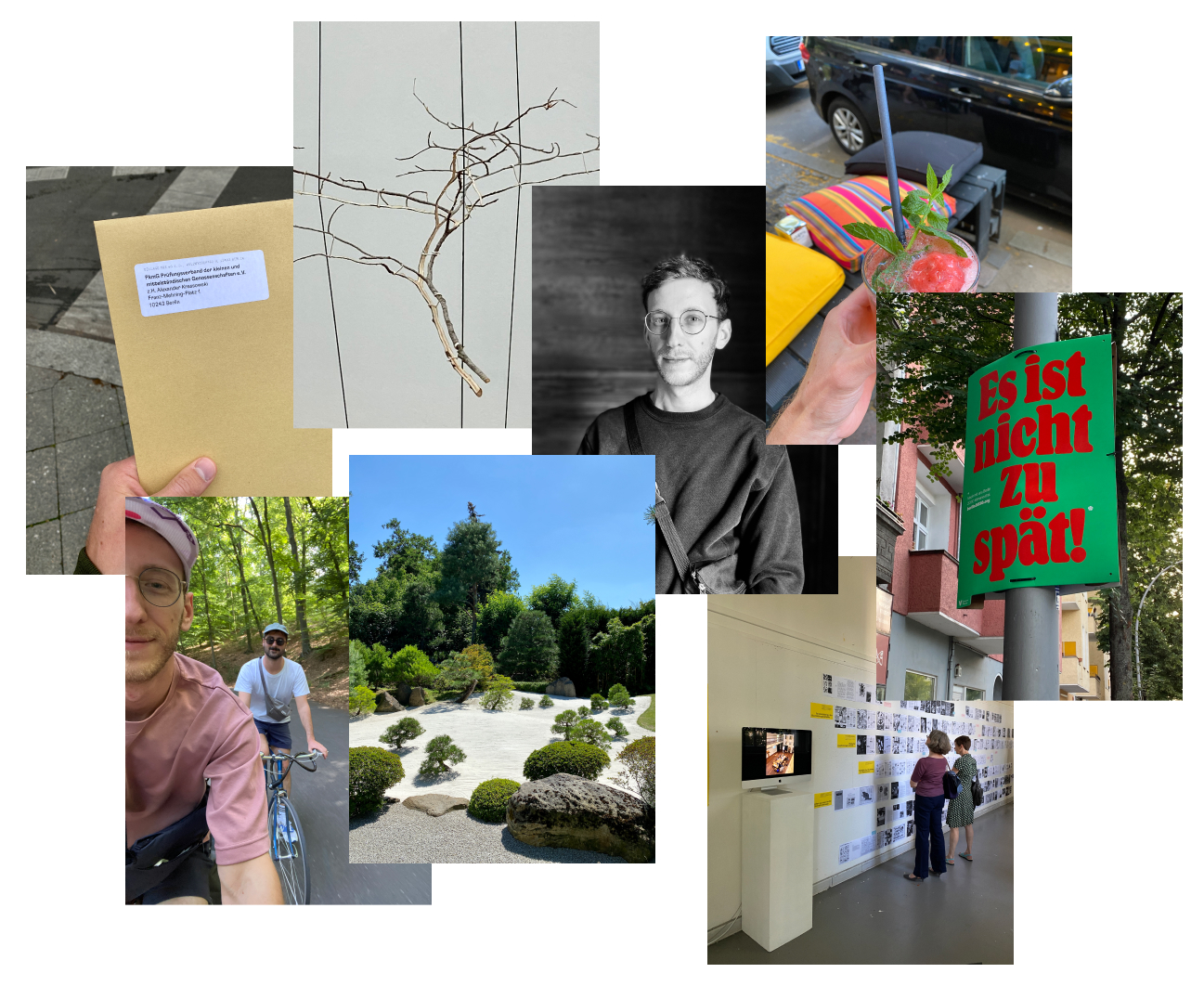
Mal wieder gemerkt: oft mache ich mir das Leben schwerer, als es sein müsste, und züchte Probleme dort, wo gar keine sind. Schluss damit!
Bei Village One haben wir neben der Projektarbeit endlich unsere Arbeitsverträge aufgesetzt, und nun geschehen auf eimal sehr formale Dinge wie Gehaltsauszahlungen. Fühlt sich irgendwie riesig an!
Anfang des Monats war ich fünf Tage in in Rom. Das war schön! Hier sind meine Reisenotizen: Roma caput mundi
Zurück in Berlin, passe ich für zehn Tage auf Martins Katze Fenchel auf: Die Anwesenheit von jemandem, der kein Mensch ist, ist ungewohnt und sehr schön. Am Telefon sagt Eva: »Christoph, auf den Fotos mit der Katze sahst wirklich überglücklich aus!« Es wird jetzt wirklich mal Zeit.
Noise-cancelling days: Die Tage, die keine Arbeitstage sind, lassen mich besonders produktiv sein.
Nach zwei Jahren gebe ich mein Büroplatz in einem Gemeinschaftsbüro auf. Ich muss sagen: Es war schon echt gut, ein Platz zum Arbeiten zu haben, der nicht in der eigenen Wohnung liegt – gleichzeitig war es zu einem großen Teil der Zeit auch nur Theorie, und ich bin nie hingegangen, sondern zu Hause in Jogginghose vor dem Rechner hängengeblieben. Vielleicht versuche ich das wann anders nochmal. 
Gute Sonntage: Rödeln, räumen, Fangen mit der Katze spielen.
In einen Menschen wirklich hineingucken kann man vor allem, wenn man sieht, wie er mit Tieren interagiert.
Habe Pflaumenkuchen gebacken, das war gut. In meiner Fantasie bin ich jemand, bei dem es ständig selbst gemachten Kuchen zu Hause gibt. Aber das ist leider wirklich nur Fantasie.
Schönste anstrengende Sache: Wandfarben aussuchen. Dieses Jahr wird meine Fähigkeit, Entscheidungen zu treffen, extrem strapaziert. Entscheidungsfreude ist leider wirklich keine ausgeprägte Eigenschaft von mir, und dieses Jahr stehen lauter große Dinge an, die entschieden werden wollen (größer als Wandfarbe). Für einen naiven Moment dachte ich, dass manche Dinge auch einfach von Expert·innen entschieden werden könnten, die ich dann bezahle und dann mit einer klugen Entscheidung weiterarbeite, aber so einfach ist es nicht: Am Ende bin doch ich die Person, die mein Leben in der Hand hält und lenkt – und das ist ja eigentlich auch eine sehr gute Sache!
Bisschen viel auf der Stelle getreten diesen Monat. Mehrmals ins Tagebuch geschrieben, dass ich dankbar bin. Mehrmals notiert, dass ich frustriert bin, und ziemlich oft auch einfach gar nix aufgeschrieben, weil nichts passiert ist.
Zum Ende des Monats hin sehne ich mich nach kreativer und künstlerischer Inspiration und Schaffenskraft. Ich bräuchte Input, bin leer. Ein Ausflug zu Boesner hilft da schon ein bisschen, zu Papier habe ich dann aber trotzdem noch nichts gebracht.
Aber im Zweifel hilft dann doch immer immer: Automatic Writing. Don’t cry, work.
Ich war fünf Tage in Rom! Meine erste Italien-Reise seit langer Zeit, vermutlich sogar meine erste als Erwachsener, und mit einem neuen Blick auf das Land, die Sprache, die Stadt und die Küche. Hier sind ein paar meiner Notizen:
A piedi: In Rom kann man überall hinlaufen. Es bleibt einem meist gar nichts anders übrig: Alles ist ca. 20 Minuten zu Fuß entfernt, und mit dem Bus, oder noch schlimmer: dem Taxi, das sich durch die engen Straßen schlängeln muss, dauert es eigentlich immer mindestens 10 Minuten länger.
Al banco: Beim Frühstück sind die Römer (und die Italiener generell) pragmatisch. Ich fand es erst unangenehm, dass es so ein hektischer Prozess ist, aber dann habe ich mich damit angefreundet: Man bestellt eines der leckeren gefüllten Croissants, verspeist es, spült es mit einem Kaffee herunter, und beginnt dann direkt den Tag.
Respiro fresco: An der Kasse in Cafés wird einem beim Bezahlen direkt eine kleine Auswahl an Minzbonbons angeboten. Coffee breath is real und die Italiener tun etwas dagegen!
Cacio e Pepe: Die römische Küche ist bekanntlich recht einfach: Pasta al dente, und als Soße: Käse und Pfeffer, Käse und Ei und Speck, oder Tomaten und Speck. Diese Einfachheit lag zwar ab und an etwas schwer im Magen, in ihrem Prinzip hat sie mir aber äußerst gut gefallen.
Alla salumeria: Überall gibt es – sogar in einer extrem touristischen Stadt wie Rom – diese kleinen Läden, in denen man Wurst, Käse und Öl kaufen kann. Aber nicht auf diese überzogen urbane Feinkost-Art, sondern einfach ganz normal, als würde man so eben Lebensmittel einkaufen. Schade, dass ich nichts davon mitnehmen konnte.
Dio non voglia: Das ganze Vatikan-Konzept war mir sowieso schon suspekt, aber es wird nochmal fragwürdiger und absurder, wenn man durch die langen Touristenschlangen wartet und innerhalb des kleinsten Staates der Welt erst mal zum Kauf eines Gesichtswassers mit Geruchsrichtung »Papst Franziskus« angeregt werden soll. Muss nicht sein.
»Ciao, Ragazzi!« klingt frech und gleichzeitig sehr respektvoll! Würde uns in Deutschland jemand mit »Hallo Jungs« begrüßen, würde ich vermutlich sehr schnell das Weite suchen.
Medievale: Toiletten in Restaurants gilt es zu vermeiden, denn die sind, wie die Häuser, natürlich auch alle aus dem 15. Jahrhundert.
Celestiale: Zwar nicht aus Rom, sondern aus Apulien: Pasticciotti, kleine Küchlein aus Mürbeteig, haben mir den Kurztrip mehr als versüßt. Die ovalen Törtchen sind mit Ricotta oder Puddingcreme und Obst gefüllt, und schmecken absolut himmlisch. Sie haben die perfekte Größe um sie alleine oder zu zweit zu verspeisen, und vielleicht bestellt man einfach so oder so direkt zwei. Köstlich!
Schön: Mit N. bei Pommes über Design und das Leben sprechen.
Croissants mit Marillenmarmelade, New Yorker lesen im Bett, nachmittags rödeln in einem leeren Büro, abends FaceTime. Easy Sundays.
Einmal ordentlich zusammenbrechen tut manchmal richtig gut. Wer braucht teure Detox-Rituale, wenn man einfach mal mitten auf der Straße alles über sich hereinbrechen lassen kann. Danach ging’s besser.
Sonja sagt: »Mit 40 habe ich beschlossen: Ab jetzt bin ich für andere die ältere Kollegin, die ich selbst gerne gehabt hätte.« Das war sie auch für mich, bin sehr dankbar dafür.
Das erste mal seit langem das Gefühl wiederentdecken, dass etwas nicht egal ist. Dass es um etwas geht. Gefällt mir irgendwie nicht, leider.
Überraschungspost im Briefkasten: Leanne Shaptons Buch »Bahnen ziehen«. Seitdem sehr motiviert, endlich ordentlich schwimmen zu lernen (also, kraulen!).
Mitte August fand unser Schreibworkshop »Writing = Design« an der UdK statt. Zum dritten Mal, das erste Mal in Präsenz. Es war großartig, tolle Woche, tolle Texte, tolle Klasse. Am Ende lagen sich quasi alle weinend in den Armen und ich hatte das Gefühl, dass alle sehr viel voneinander gelernt haben.
Das schönste Feedback war mitunter, dass Sonja und ich so einen sicheren Raum zum Schreiben und Sprechen geschaffen hätten. Und das ist doch was.
Mitte August: Ein Hund fürs Wochenende. Nix für mich. Besonders nervös macht mich dieses hektische Atmen und Hecheln!
Anfangs hat es noch geklappt, die Hitze auszusperren, aber irgendwann schafft sie es herein, und ich ergebe mich und Klappe erschöpft den Rechner zu. Es ist heiß, kein Wunder, die Welt brennt.
Bewege mich wie ein Faultier, körperlich und auch geistig?!
Die ganze Zeit so ein komisches Gefühl im Nacken: Irgendwas stimmt nicht. Irgendeine Vorahnung. Der Gedanke, überrollt zu werden von der Welt. Was ist das?
Aber im Alltag davon keine Spur. Unsere Genossenschaft zum Beispiel wächst und gedeiht. Wir sind nun zu viert!
Sowieso gab es im August viele Gelegenheiten, um anzustoßen. Und das haben wir dann auch gemacht.
Nochmal ein paar richtig gute Sommerabende gehabt: Grüne Limos im Melitta Sundström, Pommes im Südblock, Essen bei Knofi. All diese Läden gibt es noch, für uns, und ich gehe viel zu selten hin.
Gegen schlaflose Nächte mehrmals Tabellen und Zahlen herumsortiert. Klappt schon alles, bin nur so müde.
Hilft auch: einmal mit dem Rad rund ums Tempelhofer Feld. Wieso mache ich das so selten? Denke ich, und drehe noch eine zweite Runde.
I go hard, I go fast And I never look back I go speeding on the highway Burn rubber, no crash Turn the volume up in the party Put your hands up and dance Bump bump, in the rave Go forever and ever
Der Juli beginnt mit einem Paukenschlag: Ich habe eine Genossenschaft mitgegründet! Mehr Infos darüber gibt es hier.
Am ersten Juli also direkt: Erschöpfung und große Freude!
Pflanzen kaufen, Spaghetti kochen, Radfahren: Alles ist schön(er) zusammen.
Ich kämpfe seit Monaten mit Konzentrationsschwierigkeiten, und schiebe die Schuld auf Social Media. Mehrmals diesen Monat lösche ich alle Apps von meinem Handy, stelle das Display auf Schwarzweiß, Flugmodus, vergrabe es an der Biegung des Flusses. Ich nehme mir vor, an meiner Tagesroutine zu arbeiten: Morgens kein Handy, weniger Koffein, Meditation. Es klappt so mittelgut.
Das Jahr ist über den Zenith, und es passiert so unfassbar viel, dass ich es manchmal nicht genießen kann, sondern mit Scheuklappen durch die Monate hetze.
Bin fest entschlossen, mich ab jetzt nicht mehr so zu stressen. Wozu auch?!
Rihanna-Voice: Work Work Work Work Work Work / PDFs PDFs PDFs PDFs PDFs / Steuer Steuer Steuer Steuer Steuer Steuer / E-Mails E-Mails E-Mails E-Mails E-Mails E-Mails
Ich wurde in einem relativ formalen Setting gefragt, was meine Schwächen seien. Ich fand die Frage extrem unseriös! Ich antwortete also etwas unbeholfen: »Na ja, also ich bin sensibel; das ist zwar keine Schwäche, aber wird einem manchmal als solche angerechnet …« Unangenehm. Red Flag, diese Frage!
Wenn mir leicht esoterisch angehauchte Frauen im mittleren Alter von ihren spirituellen Wanderreisen erzählen, werde ich einfach schwach und bin schock-verliebt.
Im Hamburger Bahnhof sehe ich einen kleinen Zweig, den der Künstler Daniel Steegmann Mangrané akribisch in der Mitte durchtrennt hat. Irgendwas macht er mit mir.
N. schenkt mir in der Buchhandlung ein Buch: »Die Freiheit, frei zu sein« von Hannah Arendt. »Das ist doch dein Thema, Christi!«
Das Leben hier fühlt sich nicht mehr neu an. Wir sind nun schon so lange in dieser Stadt, dass sie uns nicht mehr ständig überrascht. An alles haben wir Erinnerungen von vor 10 Jahren, das Allermeiste hat nun irgendeinen Vergleich aus der Vergangenheit. Nach den neuen Dingen muss man nun noch aufmerksamer suchen.
»Ich habe mal wieder Lust auf eine Party mit vielen fremden Leuten, auf der man sich ganz neu erfinden kann!«
Mein Lehrauftrag an der UdK ging zu Ende. Wie schnell dieses Semester vorbei war … Mein Kopf raucht, und ich bin nicht sicher, wer hier wirklich etwas gelernt hat: Die Studierenden oder vor allem ich selbst?
Alles was ich will ist lange frühstücken, im Café sitzen, malen und Kuchen essen. Die Welt soll mich in Ruhe lassen mit ihrem Erwachsenenkram!
Immer wieder überrascht, wie nervös ich durchs Leben gehe, bei sämtlichen Job-Sachen aber absolute Ruhe bewahren kann.
Liebe es, wenn andere Leuten Essen für mich zubereiten! Es ist die schönste Geste, wenn mir jemand eine Vesperdose mit einer handgemachten Stulle überreicht.
Ähnlich gut: Andere Leute mit einem Einkauf überraschen (zum Beispiel Freunde in Quarantäne). Man kann all die Dinge kaufen, die sich die andere Person (oder man selbst) niemals kaufen würde (Joghurt mit der Ecke), und teilt so ein Stück persönliche Alltagskultur.
Das kam unerwartet: Habe in Brandenburg meine Freude an akribisch gepflegten japanischen Gärten entdeckt.
Auf dem CSD mal wieder fast kurz zu heulen begonnen: Einfach da sein können, zwischen so vielen gut gelaunten, queeren Leuten. Ein Tag für uns, und alle wollen und können teilhaben.
Wochenends: Radeln durch Brandenburg.
Besuch im Haus der Wannseekonferenz: Manchmal muss ich mich zwingen, mich mit bestimmten Themen auseinanderzusetzen. Ich denke schnell: Das weiß ich ja alles schon. Aber das Erinnern ist mindestens genau so wichtig wie das Wissen selbst (und vieles weiß ich dann doch noch nicht).
Im Juli am eigenen Leibe erfahren: Mut lohnt sich.
Zwischendurch immer wieder kurz Weltschmerz: Corona, Krieg, Affenpocken, Energiekrise, Klimakatastrophe. Wie machen wir das alles?
Coordinates: It’s half past midnight and I just switched the light back on to start typing this. It was one of those situations we all know: As soon as you put your body to rest, your mind starts wandering, walking, sometimes running. So did mine – and another issue of this newsletter was long overdue! So here we are: 0:24am. Welcome back!
Log book: Since the last newsletter, six months passed by. I kept true to my belief that one should only write something when there is something to tell, and the last months have been so full of work and projects and business that I didn’t know how to make shareable sense of everything. That’s why I sticked to the simple format of lists: I made one for every month of 2022 so far, and if you understand German, you can read them all in the blog. However, I actually do have some bigger news I want to share with you:
✳︎ ✳︎ ✳︎
I am co-founding a company! For the last two years, I’ve been enjoying my freelance life and all the freedom that comes with it, but I’ve been missing exchange and tackling bigger, more relevant topics with a team of smart people. Luckily, I found these people, I’ve been knowing them all along. For a while, we’ve been talking about how we want to work, what we want to work on, and how we can build a framework that provides a flexible, democratic work environment to design and build digital products.
That’s why we decided to found a cooperative: Village One. ✨ We signed all the paperwork on Friday, and it is all very exciting!
Why cooperative though? As it is owned by its workers, the format truly ensures that everyone can have a say and steer the company towards the right direction. The world and our society are battling so many crises at the moment, and as much as designers like to tell themselves that „design will save the world“ – it won’t, I’m sorry, not until we use our energy for the right things. Overcome capitalist thinking; putting the planet over profit; redistribute privilege; foster a calmer, better society; online and offline – that’s what we aim for. It sounds utopian, yes, but we have to start creating the right frameworks to steer the narrative. Harry Keller, one of my co-founders, puts it very well in his newsletter (which I highly recommend):
For a long time I’ve felt powerless and unsure what I can contribute here, but over the past months I’ve sat down with a few thoughtful people and we’ve sketched out a new kind of workplace. A place that embraces emergence over hierarchical planning, a place that’s owned by all its workers, embracing diversity and new perspectives, which is democratically governed, feminist, anti-racist, curious and humble, choosing cooperation over competition, operating as a distributed team with asynchronous workflows, enabling maximum flexibility for its people, empowering them to live the life they want.
At the moment, we’re a small team, but we’re very excited to get going with our first projects, build our own site, and get to know more people (maybe you?) that are interested in our idea. I’d be happy if you followed along; on twitter, on our mailing list, or just by reaching out (simply by replying to this e-mail).
We’re still busy getting everything up and running, but I wanted to have you all aboard already and share the news with you (and also the reason that kept me so busy during the past months). So, what else happened?
I wrote more columns for form design magazine about digital nostalgia: One about the Cloud, and the most recent one about Desktop Publishing. Ordering the printed magazine is highly recommended; the form team always manages to add a big variety of perspectives towards one topic; most recently: Generations.
During this summer semester, from April to July, I teach a course at University of the Arts Berlin. Together with the students, we work on a book about the University’s illustration class, and I teach writing techniques. Mark your calendars: The „UdK Rundgang“ is on July 22–24.
Also: You can still sign up for my one-week writing workshop Writing = Design together with Sonja Knecht from August 8–12, 2022, in Berlin. I’m already excited for it, it’s going to be fun!
Ok. That was a lot, take some deep breaths now. Six months of stuff, but I’ll let you go enjoy the sunny weather now. I hope you’re all well, savoring summer, soaking up the sun!
(If you enjoy content like this: I send it out as an irregular newsletter called Christel’s Corner. Sign up for it here.)